

 I’ve been around the wedding and event industry long enough to see many different business models, from solo-preneurs (we used to call them Mom & Pop shops) to large businesses with many employees and/or locations. None of them is right for everyone. Your business model can, and likely will change throughout the life cycle of your business. I know many DJ’s, planners and photographers who started out as just them, grew to many employees and then decided to go back to just them, later in their business’ life cycle. Read More

 When is a ghost, not really a ghost?

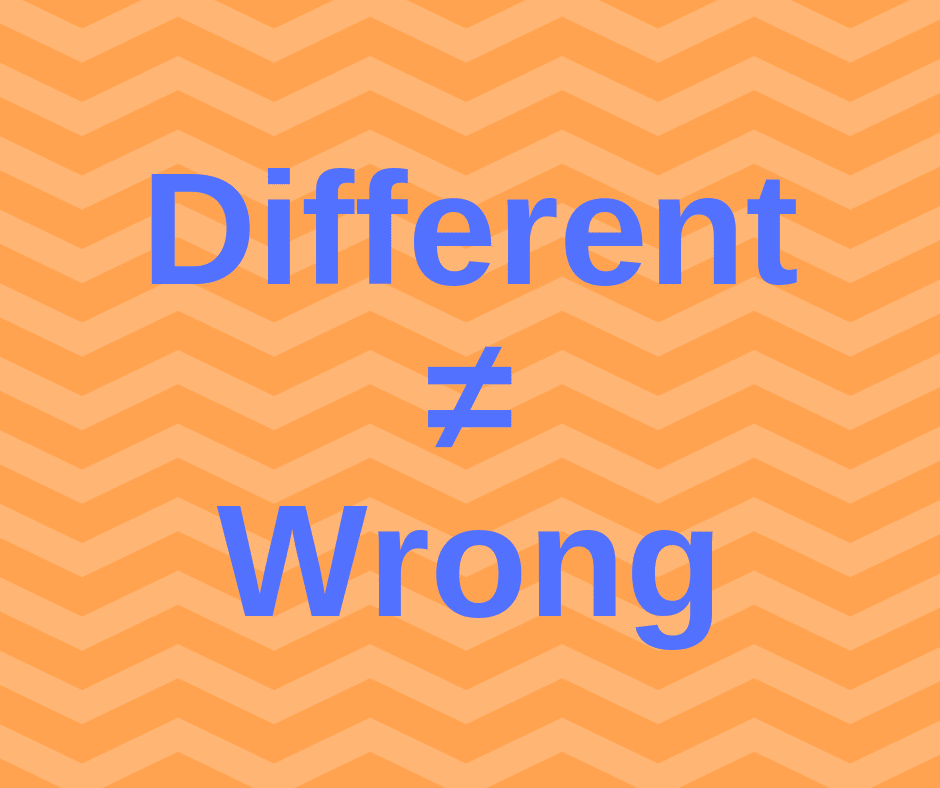
 I’m right and you’re wrong! That attitude is a recipe for disaster in business and in life. If you want to keep your significant-other happy, telling them that they’re wrong is, let’s just say, not a good plan. Similarly, if you want to keep your customers, and employees, happy, telling them they’re wrong is counter-productive. The fact is that you can’t change anyone else’s mind. It’s not yours to change. It’s theirs. What you can do is provide them with information they didn’t have, and then they may decide to come to a different conclusion.
 It’s the end of wedding season and the end of the year, which means it’s also engagement season. The top 10 days to get engaged are happening NOW! That means a new crop of couples needing your services – yeah! It also means it’s a great time to take a look at the products and services you’ll be offering them – and at what prices.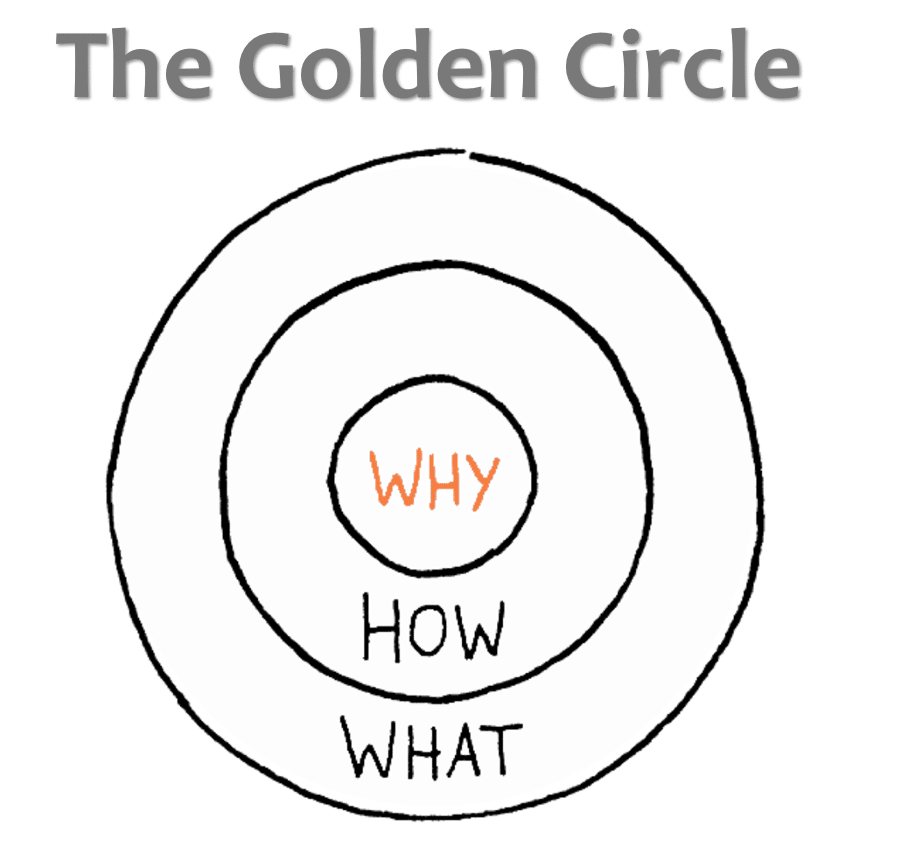
 I recently finished reading (listening to) Simon Sinek’s book Start With Why. If you’re not familiar with it – or him – Simon has one of the most watched TED Talks, in which he describes “The Golden Circle”. The Golden Circle is three concentric circles: “What” – the outer circle, “How” – the middle circle, and “Why” – the inner circle.
 There are 3 possible outcomes from any interaction with a customer:
 I’m often asked where I get the inspiration for my books, and the simple answer is that it’s from you! I practice what I teach you, and listen to my customers and their needs. The conversations we have at conferences, on consulting calls, and on social platforms lead to my presentations and ultimately to my books. Which leads me to my latest book, and from what you tell me, my much-anticipated book, Why Don’t They Call Me? 8 Tips for converting wedding and event inquiries into sales. This topic has hit a nerve with wedding and event pros around the world.
 Before I get started, I want this to be a positive message for you. That said, what prompted this topic was the passing, too young, of a few industry and personal friends. It got me thinking about what (if anything) they wished they had done, either personally or professionally. There’s no shortage of things to eat up our time; email, social media, family obligations, etc. Are you making time for the other things? Are you doing the things that give you the most pleasure, or that will have the greatest impact on your clients; which, hopefully, also gives you pleasure?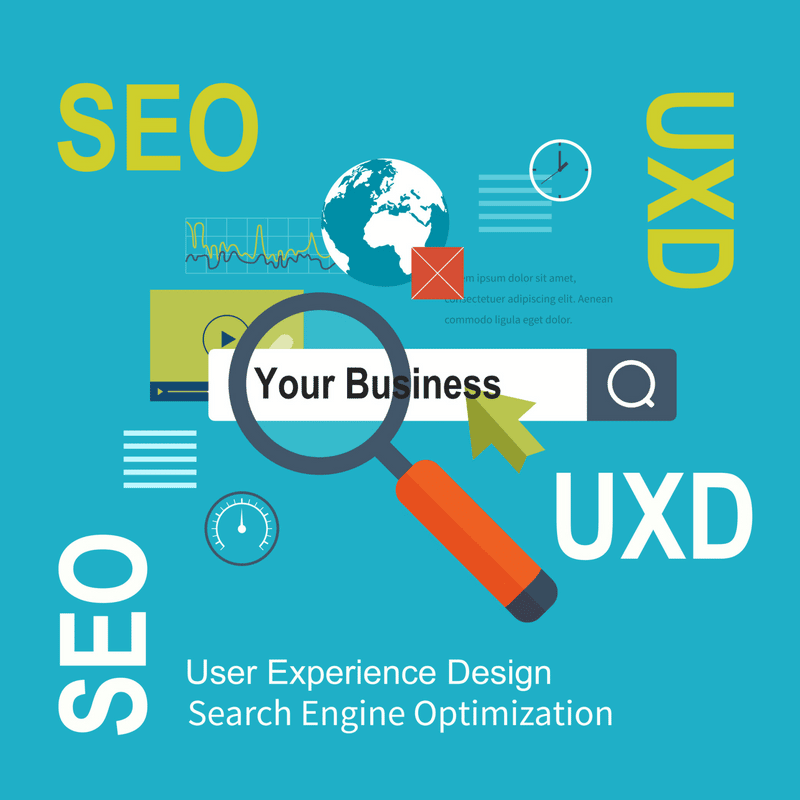
 Before I get into the article, some of you are wondering what the alphabet soup is about. Most of you know that SEO stands for Search Engine Optimization; that’s trying to make your site come up in the unpaid search results. UXD stands for User Experience Design, defined by Wikipedia as “the process of enhancing user satisfaction with a product by improving the usability, accessibility, and pleasure provided in the interaction with the product.”